
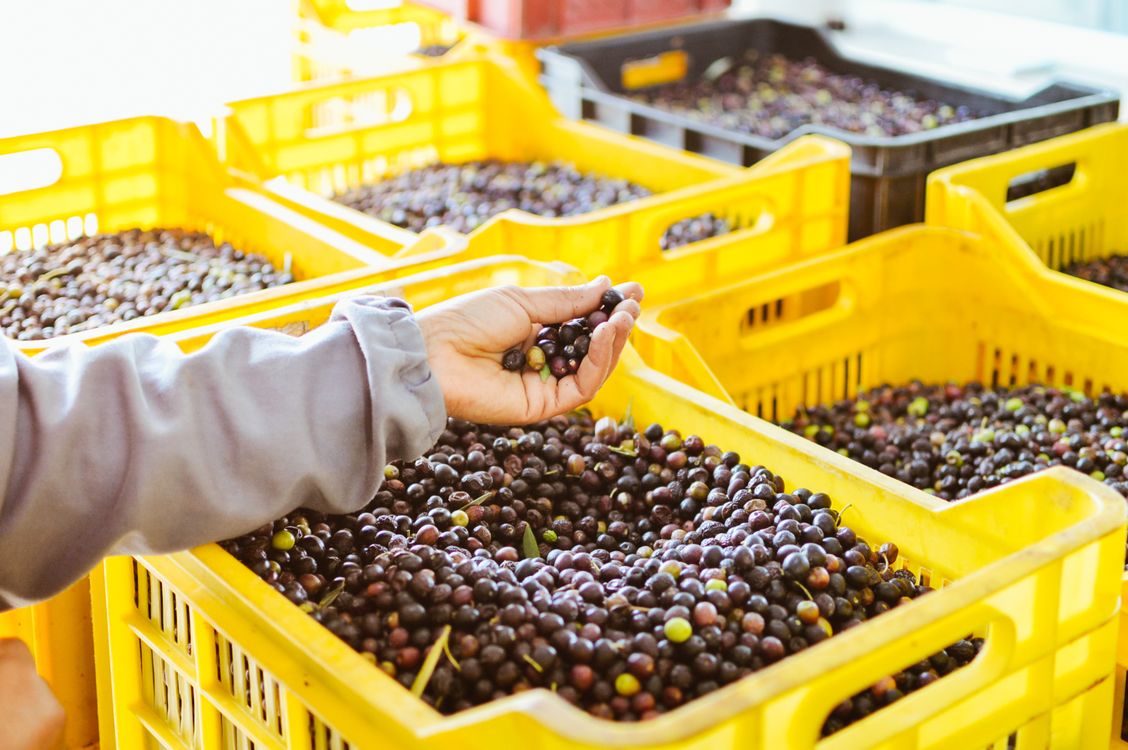
The start of the olive harvest in Crete is accompanied by new practical guidelines from the Region for the protection of olives and olive oil from mineral oil hydrocarbons. The official update was published on 26 October 2026 and is addressed to both the olive growers and the olive mills of the island.
Where contamination can occur
According to the Directorate-General for Rural Economy and Development of the Region of Crete, MOSH and MOAH substances may pass on to the fruit or olive oil from exhaust gases, fuel leakages and lubricants, inappropriate equipment or materials that come into contact with the product. For this reason prevention needs to cover the entire route, from field and transport to flushing and storage.
What olive growers should check
The Region recommends checking equipment regularly for leaks and using lubricants according to their specifications. Harvest nets and crates should be clean. Avoid sacks of unknown composition and keep harvested olives away from smoke and exhaust fumes.
Tools, fuel containers and lubricants must not be placed near the harvested fruit. Where possible, it is recommended that no pruning and harvesting are carried out simultaneously. Transport to the oil mill needs to be done by clean means, without fuel or lubricant residues and after consultation of delivery time.
The directions to the mills
The reception, processing and storage areas require cleaning, regular maintenance of equipment and immediate treatment of any leaks. The official directive also points out that the lubricants and materials used must be suitable for food contact.
The presence of vehicles and machinery should be limited when there is a risk of exposure of the product to exhaust gases. Appropriate tanks and pipes, recorded cleaning and maintenance procedures, as well as traceability, are key points of control.
Why the time to milling matters
The District proposes to limit as much time as possible from harvest to crushing: ideals within 24 hours and, based on the guide of good practices it invokes, not later than 48 hours. It also makes it clear that a contamination at a stage is not certain that it can be removed in the following.
Full notice and information material are available on the official page of the Region of Crete.